
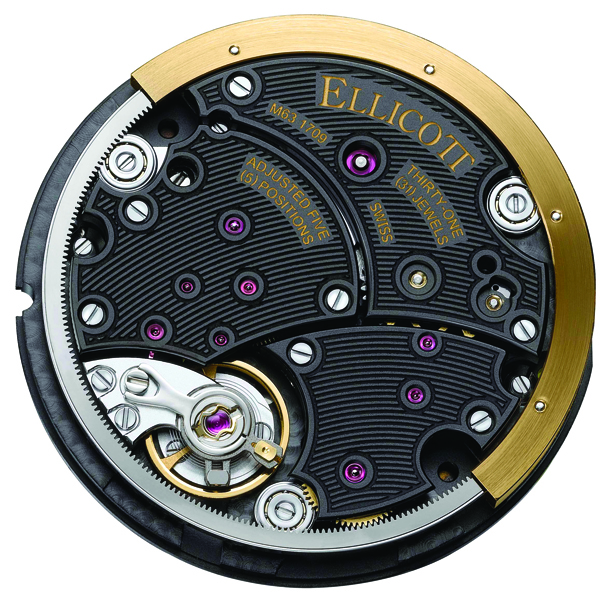
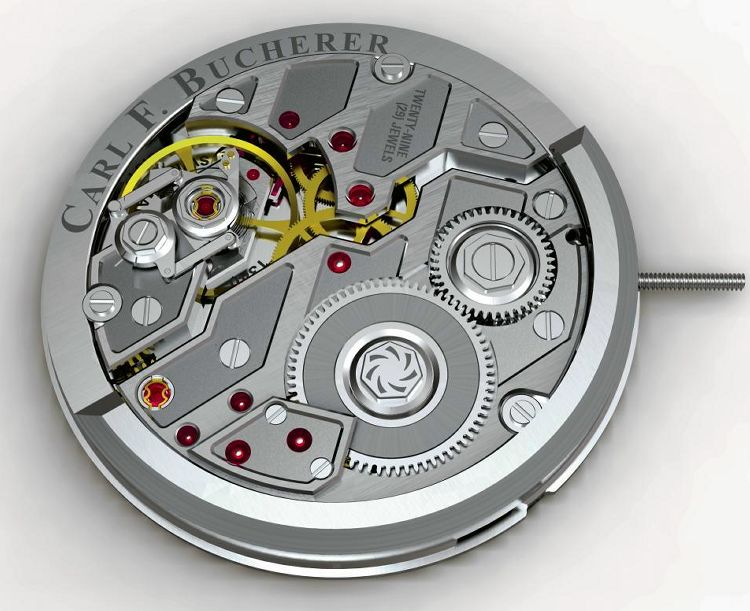
Le calibre à remontage par masse périphérique n’est pas nouveau. On a pu le voir sur de nombreux modèles ces dernières années, nous pouvons alors citer ici l’exemple la maison Carl.F.Bucherer et son mouvement A1000.
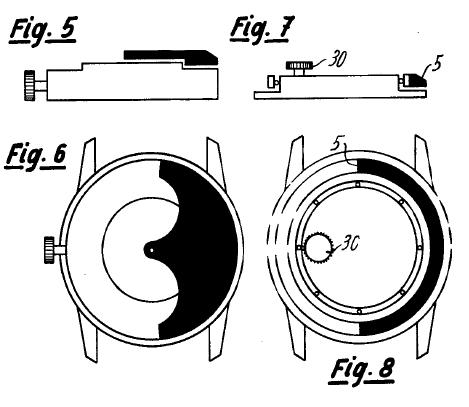
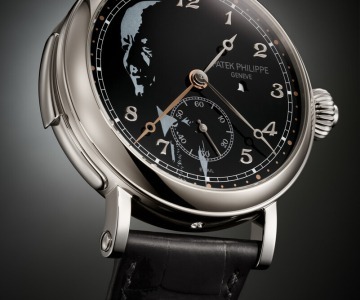
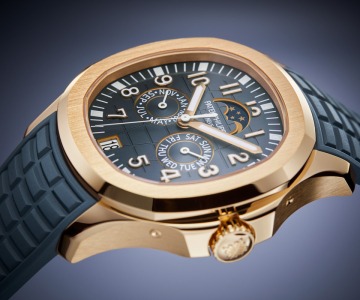
Le premier brevet concernant cette invention, dont la demande a été faite le 27 mai 1966 au Ministère de l’Industrie Française, a été délivré le 10 avril 1967. Nous devons cette invention à la maison Patek Philippe. Voici un extrait du descriptif orignal du dépôt de ce brevet numéro 1.481.539 :
“La présente invention a pour but de réaliser un mouvement d’horlogerie à remontage automatique de faible hauteur bien que faisant usage d’une masse de remontage pouvant effectuer un tour complet. Ce mouvement se distingue par le fait qu’il comporte une masse de remontage pivotée autour du mouvement, entièrement logée dans la hauteur de celui-ci, et pouvant effectuer des déplacements angu- laires supérieurs à 360 et un dispositif de mise à l’heure et/ou de remontage manuel dont l’organe d’actionnement émerge hors d’une des faces frontales du mouvement.

1 Comment