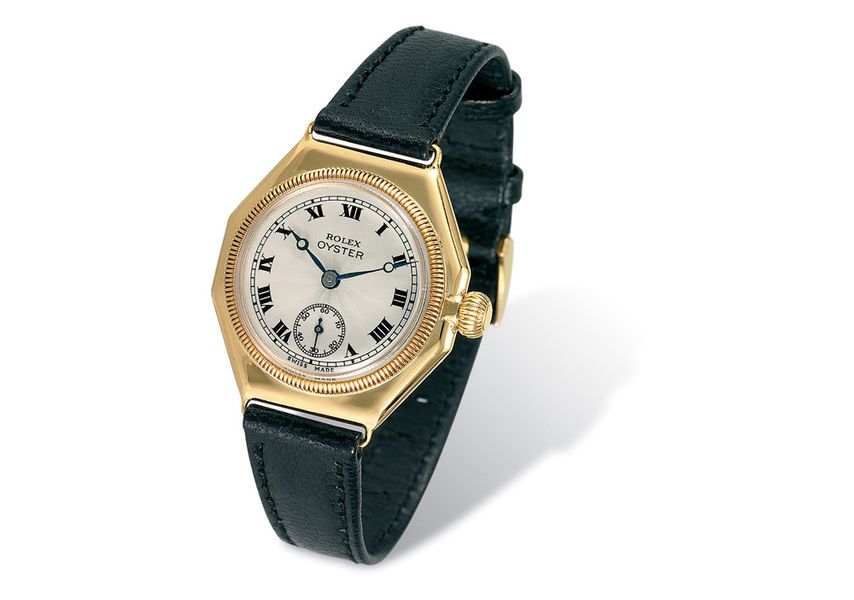
Pilier d’une gamme de montres légendaires, l’Oyster est la plus reconnue et la plus aisément reconnaissable entre toutes. Devenue avec le temps un véritable archétype, elle ne compte pas moins de 170 modèles de base, déclinables en de multiples combinaisons possibles. L’Oyster bénéficie aujourd’hui de toute la technologie et du savoir-faire de Rolex. L’esthétique de ses modèles a subtilement évolué au fil des ans, dans le parfait respect de leur identité. L’Oyster est aujourd’hui indissociable de l’image de Rolex. Pétrie des valeurs qui ont fait la renommée de la marque, elle est une référence de style, le symbole d’un art de vivre, hors des modes passagères, à l’abri du temps.
L’AVENTURE DE L’OYSTER
L’aventure de l’Oyster est une succession d’actes pionniers et visionnaires. C’est tout d’abord un pari, celui de la montre-bracelet. C’est aussi une quête, celle de la précision chronométrique et de l’étanchéité, conditions sine qua non de la réussite de ce pari. C’est enfin une succession d’innovations technologiques et conceptuelles qui ont permis à Rolex de devenir aujourd’hui symbole d’absolue qualité et de prestige à travers le monde. Cette aventure et l’esprit d’entreprise qui la fait vivre se perpétuent tous deux aujourd’hui sous des formes sans cesse renouvelées.
LA NAISSANCE
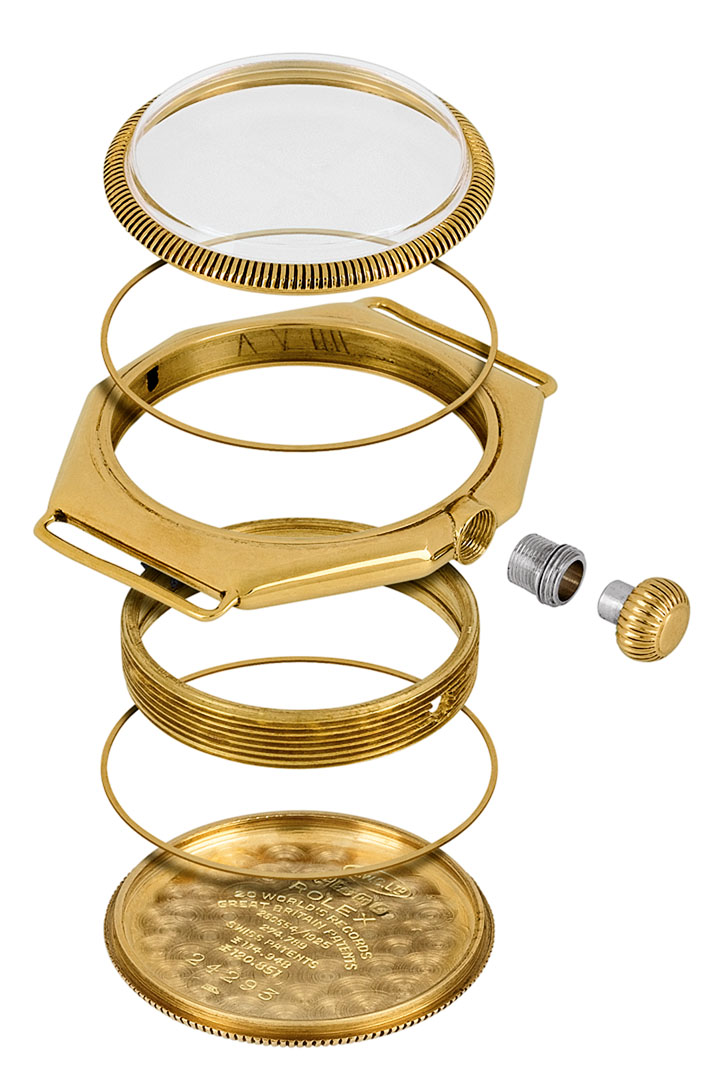
En 1926, Rolex invente l’Oyster, premier boîtier étanche à l’eau et à la poussière grâce à un système de vissage du fond du boîtier, de la lunette et de la couronne de remontoir. Cette innovation garantit une protection optimale du mouvement.
En 1931, Rolex invente le premier mécanisme de remontage automatique à rotor libre dit «Perpetual », à l’origine de tous les mécanismes que l’on retrouve aujourd’hui dans les montres automatiques modernes.
 Rotor Perpetual, 1931. |
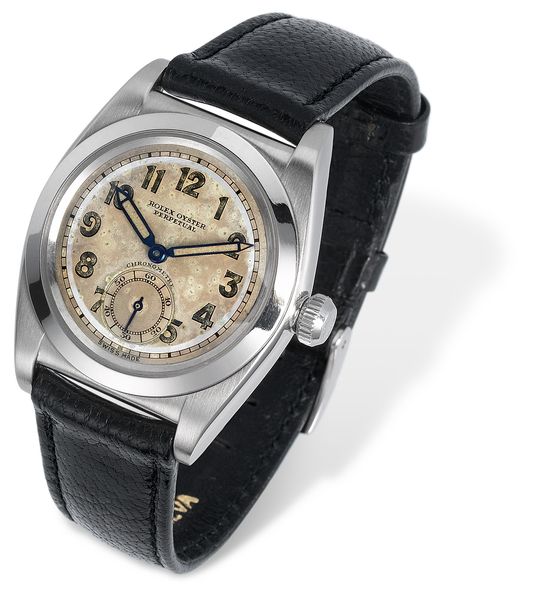 Premier modèle doté d’un rotor Perpetual, 1931 |
 |
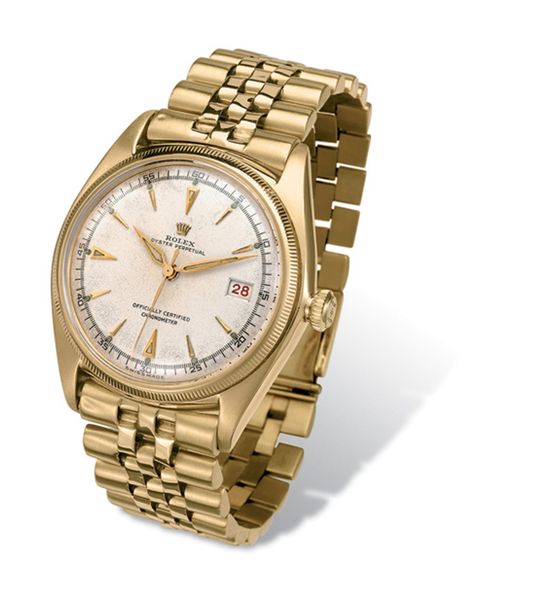
En 1945, l’Oyster Perpetual Datejust est la première montre-bracelet à indiquer la date dans un guichet sur le cadran.
En 1956, l’Oyster Perpetual Day-Date est la première montre-bracelet à indiquer la date et le jour de la semaine en toutes lettres. Elle donnera lieu à une lignée de montres de grand prestige, que porteront les personnalités influentes de ce monde.
|
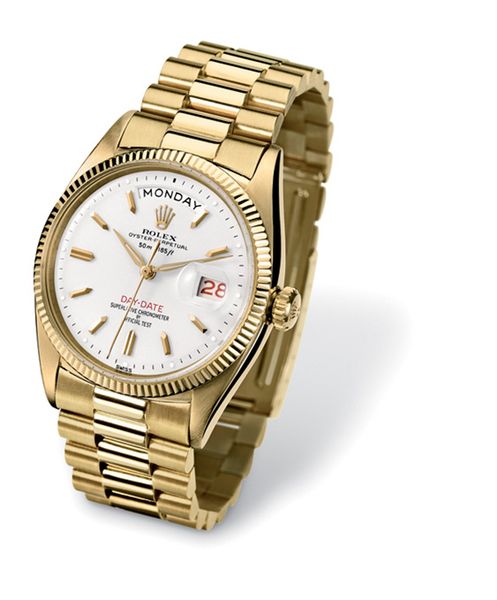 |
LES OYSTER PROFESSIONNELLES
A l’orée des années 1950, grâce à une parfaite maîtrise de la précision chronométrique et de l’étanchéité, Rolex développe le concept de montre professionnelle, dont l’usage dépasse la simple lecture de l’heure, et qui s’adresse à des plongeurs, des pilotes, des alpinistes et autres explorateurs. L’Oyster va désormais faire la preuve de sa solidité et de sa robustesse.
A partir de cette époque, elle se décline en différents modèles professionnels: l’Explorer, la Submariner et la Turn-O-Graph (1953), la GMT-Master (1955), la Milgauss (1956) et le Cosmograph Daytona (1963).
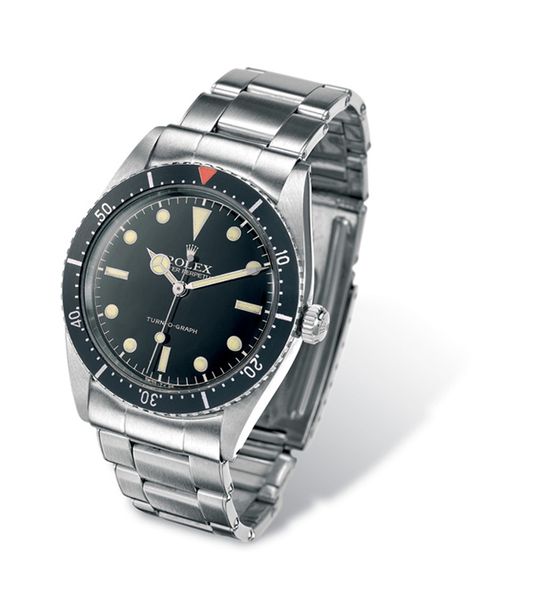 |
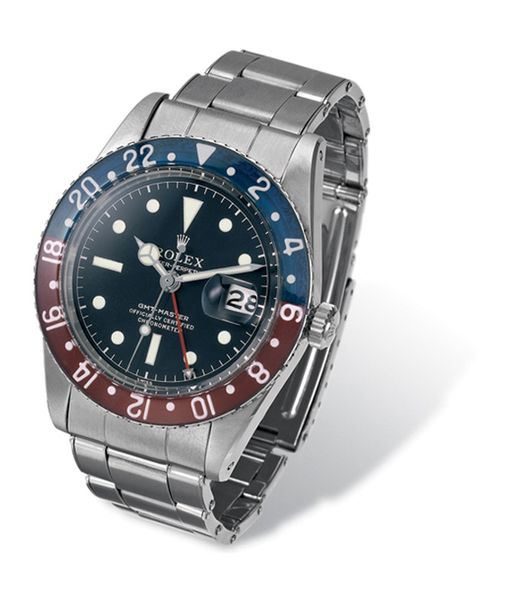 |
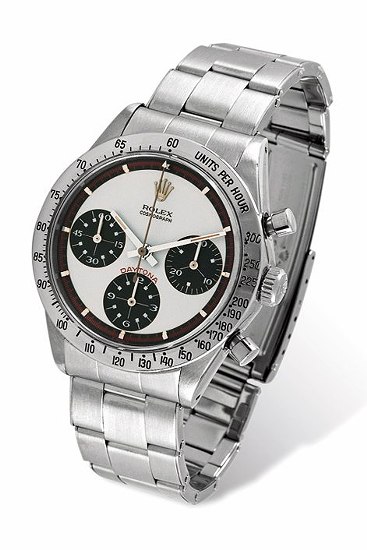 |
LES ANNÉES DE MATURITÉ ET DE CONSOLIDATION
Quand les mouvements à quartz voient le jour à la fin des années 1960, Rolex participe au développement du premier mouvement quartz suisse et lance le modèle Oysterquartz en 1977. Elle fait néanmoins le choix de rester fidèle à la montre mécanique. Commence alors pour l’Oyster Perpetual une période de maturité et de consolidation, qui se traduit par la conception d’une nouvelle génération de modèles professionnels :
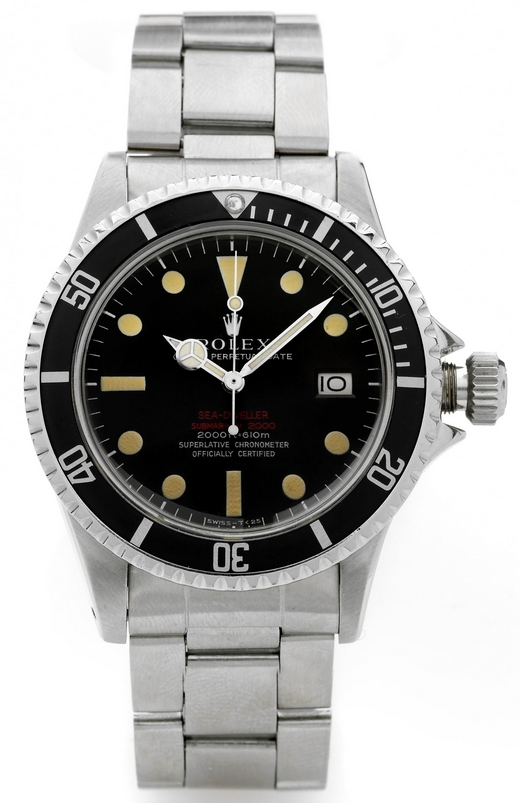
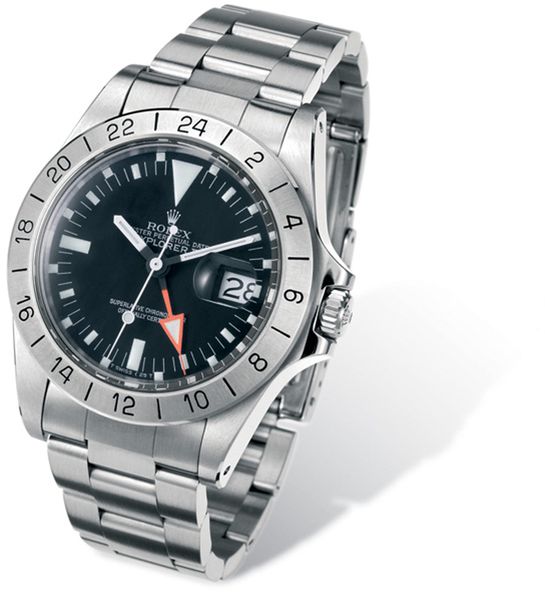
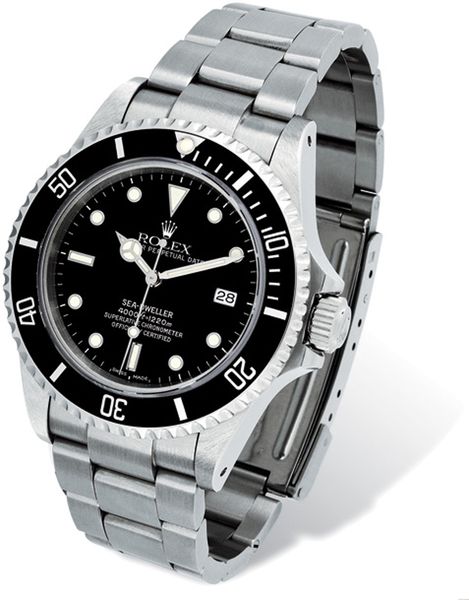
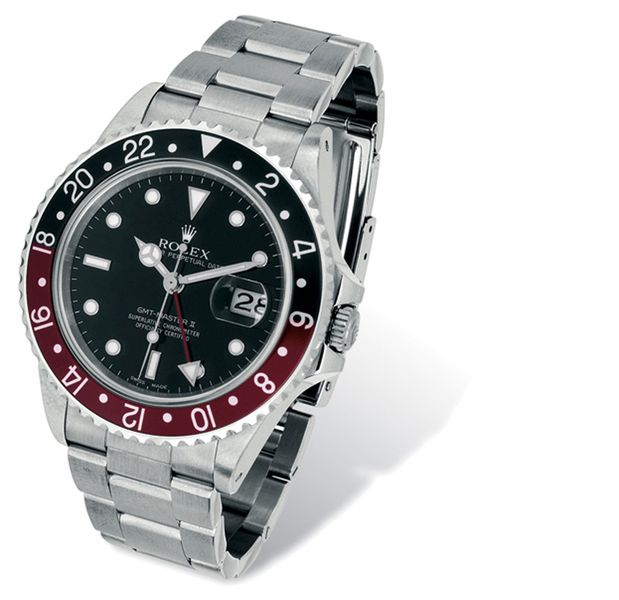
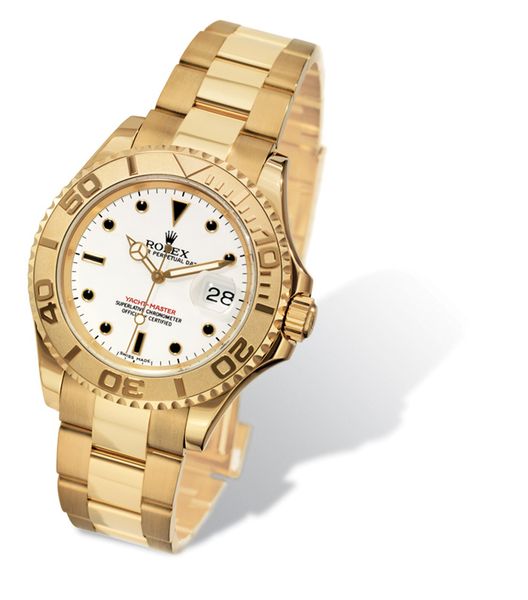
la Sea-Dweller (1967), l’Explorer II (1971), la Sea-Dweller 4000 (1978, étanche jusqu’à 1220 mètres), la GMT-Master II (1982) et la Yacht-Master (1992).
 |
 |
 |
 |
 |
LES NOUVEAUX HORIZONS DE L’OYSTER
Depuis les années 2000, l’Oyster est entrée dans une nouvelle ère.
Grâce à l’intégration verticale de ses fournisseurs en Suisse et à l’industrialisation de son outil de production, Rolex dispose désormais d’une parfaite maîtrise de la fabrication des composants essentiels de ses montres. Elle peut également mettre en oeuvre les technologies les plus perfectionnées et les savoirs les plus pointus dans le but de perpétuer son esprit d’avant-garde.
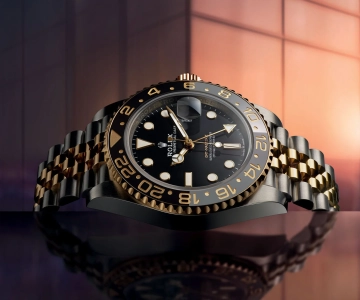
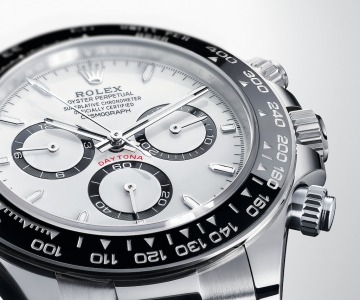
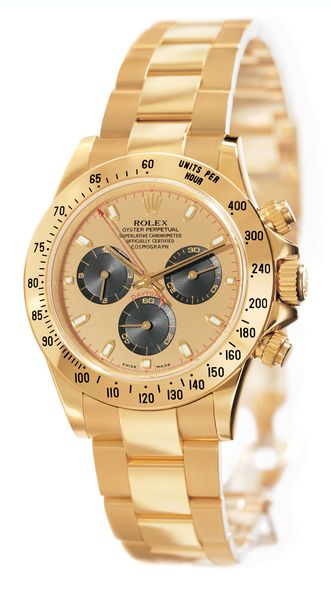
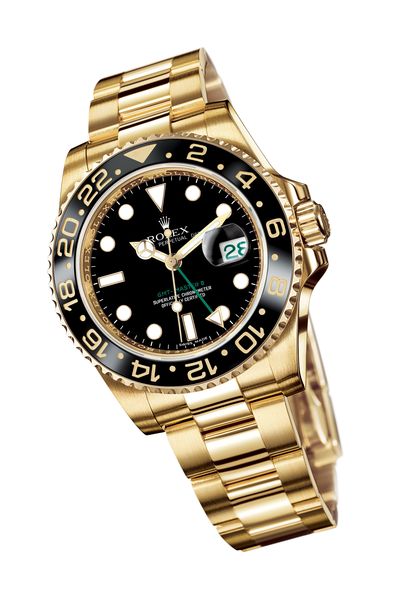
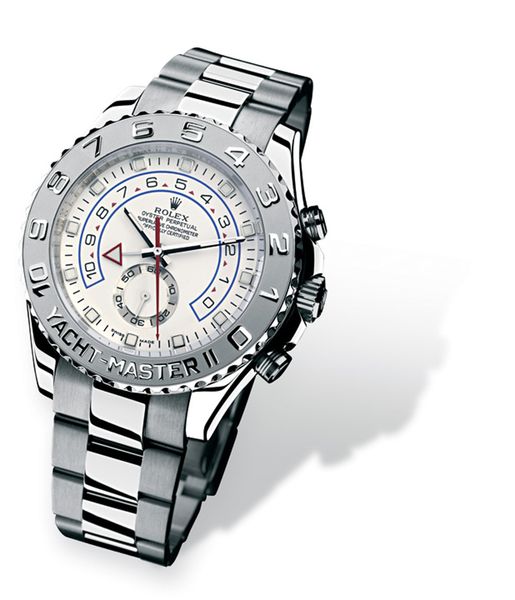
Le Cosmograph Daytona (2000), les GMT-Master II (2005) et Yacht-Master II (2007), la Milgauss (2007) ainsi que les Submariner Date et la Rolex Deepsea (2008) sont le symbole d’un savoir-faire inégalé et témoignent d’une volonté d’innover sans cesse renouvelée.
La Yacht-Master II est la première montre munie d’un compte à rebours avec mémoire mécanique programmable, qui permet de programmer la montre en fonction de la durée du compte à rebours de chaque régate. Cette nouvelle complication horlogère, qui se caractérise par l’interaction entre mouvement et habillement, fait de la Yacht-Master II une réalisation totalement novatrice, une montre de nouvelle génération.
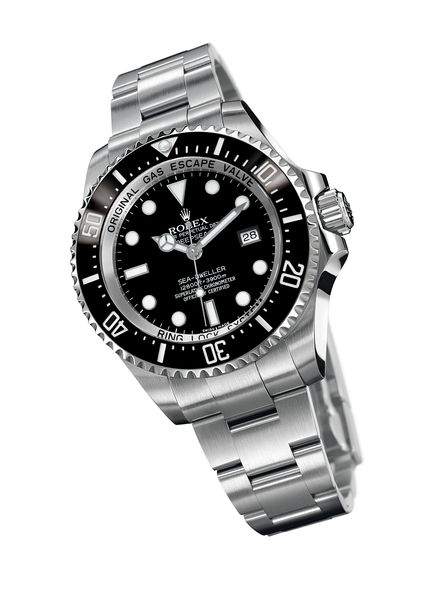
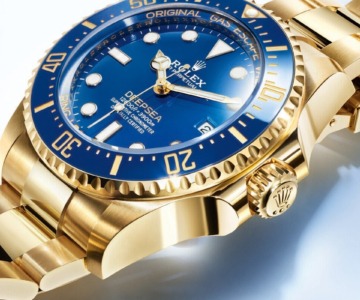
Etanche jusqu’à la profondeur extrême de 3900 mètres, la Rolex Deepsea est une montre de plongée de nouvelle génération. Elle répond aux exigences les plus pointues des plongeurs professionnels et confirme la suprématie de Rolex dans la maîtrise de l’étanchéité. Entièrement développée et fabriquée par Rolex, elle est munie du Ringlock System, une nouvelle architecture de boîtier brevetée par Rolex qui permet à la montre de résister à la pression colossale exercée à grande profondeur. Elle présente également, pour la première fois, un double système de rallonge du bracelet qui la rend facilement adaptable aux combinaisons de plongée pour un confort accru.
 |
 |
 |
|
Deepsea, 2008.
|